The Role of Veterinary Professionals in Service Dog Success
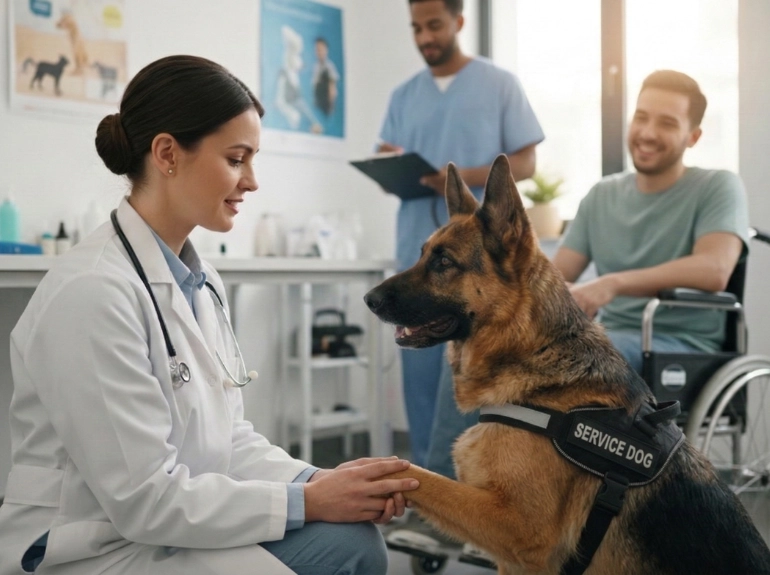
Behind every successful service dog is a team of veterinary professionals who ensure these working animals stay healthy, sound, and ready to perform life-saving tasks.
The Foundation of the Service Dog Pipeline
Service dogs are not ordinary pets. They are highly trained working animals that perform specific tasks for individuals with disabilities — tasks that can range from guiding a blind person through traffic to alerting a diabetic user to dangerous blood sugar levels. The physical demands placed on these dogs are significant, and without proper veterinary oversight, their careers can be cut short before they even begin.
According to the American Veterinary Medical Association (AVMA), working dogs require specialized wellness programs that go beyond standard companion animal care. This includes orthopedic evaluations, cardiac screenings, ophthalmologic exams, and temperament assessments — all performed during the first year of a prospect's life.
Early Health Screenings: Catching Problems Before They Start
Before a puppy even enters a training program, veterinary professionals conduct a battery of health screenings designed to identify conditions that could disqualify a dog from service work. These screenings typically include:
- Hip and elbow radiographs: Evaluated by the Orthopedic Foundation for Animals (OFA) to rule out dysplasia, which affects up to 20% of Labrador Retrievers — one of the most common service dog breeds.
- Cardiac auscultation: Listening for murmurs or arrhythmias that could indicate congenital heart disease.
- CERF eye exams: Conducted by a board-certified veterinary ophthalmologist to screen for progressive retinal atrophy (PRA), cataracts, and other hereditary eye conditions.
- Genetic panel testing: DNA tests for breed-specific conditions such as Exercise-Induced Collapse (EIC) in Labradors or von Willebrand's disease in Standard Poodles.
As our own Amie Chapman discussed in her blog post "Service Dogs in the Vet Office," the relationship between veterinary staff and service dog users is critical — and it starts with these early screenings.
Did You Know?
The average cost of health clearances for a single service dog prospect ranges from $800 to $2,000. Most service dog organizations absorb this cost entirely, which is one reason the average fully trained service dog costs between $20,000 and $50,000.
Long-Term Wellness: Keeping Working Dogs in the Field
Once a service dog is placed with a user, the veterinary relationship doesn't end — it evolves. Working dogs face unique physical stressors: navigating hard surfaces for hours, performing deep pressure therapy, bracing for balance support, or maintaining high alert for medical detection. These demands require a proactive wellness approach.
The International Association of Assistance Dog Partners (IAADP) recommends that service dogs receive veterinary examinations at least twice per year, compared to the standard annual visit for companion animals. These biannual exams should include:
- Musculoskeletal assessment: Checking for early signs of arthritis, soft tissue injuries, or repetitive strain.
- Weight management: Working dogs must maintain an optimal body condition score (4–5 on the 9-point scale) to avoid joint stress.
- Dental evaluation: Periodontal disease can cause systemic inflammation that affects a dog's energy and performance.
- Behavioral wellness check: Screening for signs of stress, anxiety, or burnout — conditions that can be subtle in highly trained dogs.
The Veterinary Education Gap
Despite the growing number of service dogs in the United States — estimated at over 500,000 by Assistance Dogs International — most veterinary school curricula do not include specific training on service dog medicine. This gap means that many veterinarians may not understand the unique needs of working dogs, the legal protections afforded to service dog teams, or the best practices for handling a dog that is also medical equipment.
This is exactly why Growing Up Guide Pup created the Veterinary Education Program — a comprehensive initiative designed to bridge this knowledge gap and equip veterinary professionals with the tools they need to provide exceptional care to service dog teams.
What Users Can Do
Users play an essential role in their service dog's veterinary care. Here are practical steps every user should take:
- Choose a vet familiar with working dogs: Not all clinics have experience with service animals. Ask upfront.
- Keep detailed health records: Track vaccinations, weight trends, activity levels, and any behavioral changes.
- Advocate for your dog: If a vet visit is stressful, request accommodations — a quiet exam room, minimal wait time, or a fear-free approach.
- Plan for retirement: Discuss with your vet when your dog's working life should transition to retirement, typically between ages 8 and 10.
For more on the intersection of veterinary care and working dogs, explore our blog archive or read about how service dogs are changing lives for people with invisible disabilities.
The Bottom Line
Veterinary professionals are unsung heroes in the service dog world. Their expertise ensures that the dogs we raise, train, and place can perform their jobs safely and effectively for years to come. Supporting veterinary education about service dogs isn't just good medicine — it's essential for the users who depend on these incredible animals every day.